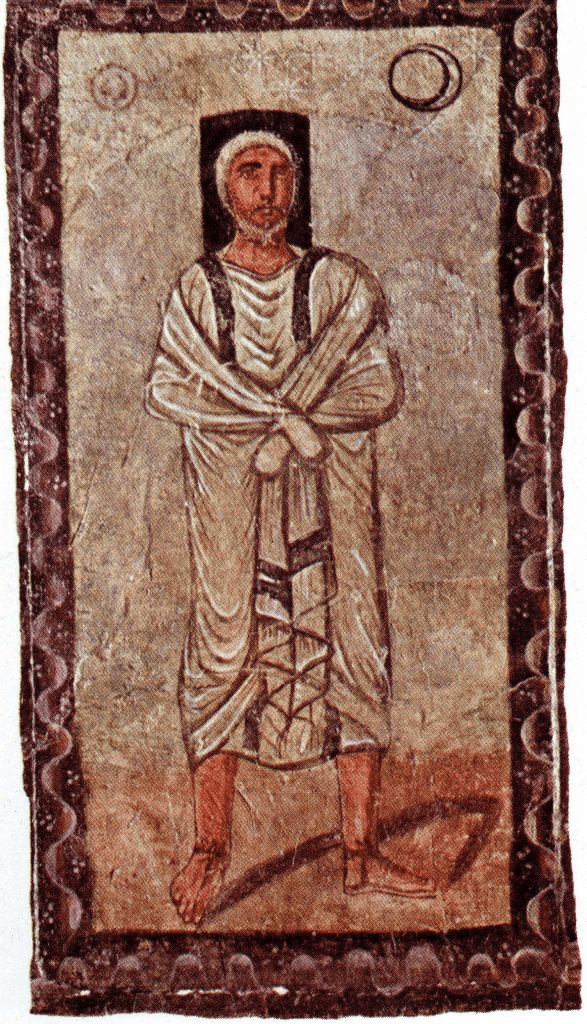
There is an obviously very appealing idea extant in Jewish sources that Abraham the Patriarch was an astronomer. Where do we see this idea? And where does it originate?
Let’s begin with some biblical verses in the story of Abraham that involve stars, of which the first is Genesis 15:5:
Bereshit 15:5, 7
וַיּוֹצֵ֨א אֹת֜וֹ הַח֗וּצָה וַיֹּ֙אמֶר֙ הַבֶּט־נָ֣א הַשָּׁמַ֗יְמָה וּסְפֹר֙ הַכּ֣וֹכָבִ֔ים אִם־תּוּכַ֖ל לִסְפֹּ֣ר אֹתָ֑ם וַיֹּ֣אמֶר ל֔וֹ כֹּ֥ה יִהְיֶ֖ה זַרְעֶֽךָ׃
…
וַיֹּ֖אמֶר אֵלָ֑יו אֲנִ֣י ה’ אֲשֶׁ֤ר הוֹצֵאתִ֙יךָ֙ מֵא֣וּר כַּשְׂדִּ֔ים לָ֧תֶת לְךָ֛ אֶת־הָאָ֥רֶץ הַזֹּ֖את לְרִשְׁתָּֽהּ׃
He [God] took him outside and said, “Look toward heaven and count the stars, if you are able to count them”? And He said, “So shall be your offspring.” …
He [God] said to him, “I am the Lord who brought you out from Ur of the Chaldeans to assign this land to you as a possession.”
While God does tell Abraham to count the stars, certainly an activity astronomers would practice, one could still suggest that the simple meaning is a rhetorical question to tell Abraham how numerous his descendants will be. However Rashi, the great medieval commentary, says more:
רש”י
ויוצא אתו החוצה. לְפִי פְּשׁוּטוֹ הוֹצִיאוֹ מֵאָהֳלוֹ לַחוּץ לִרְאוֹת הַכּוֹכָבִים, וּלְפִי מִדְרָשׁוֹ אָמַר לוֹ צֵא מֵאִצְטַגְנִינוּת שֶׁלְּךָ שֶׁרָאִיתָ בַּמַּזָּלוֹת שֶׁאֵינְךָ עָתִיד לְהַעֲמִיד בֵּן, אַבְרָם אֵין לוֹ בֵן, אֲבָל אַבְרָהָם יֵשׁ לוֹ בֵן, שָׂרַי לֹא תֵלֵד, אֲבָל שָׂרָה תֵלֵד; אֲנִי קוֹרֵא לָכֶם שֵׁם אַחֵר וְיִשְׁתַּנֶּה הַמַּזָּל. דָּ”אַ הוֹצִיאוֹ מֵחֲלָלוֹ שֶׁל עוֹלָם וְהִגְבִּיהוֹ לְמַעְלָה מִן הַכּוֹכָבִים, וְזֶהוּ לְשׁוֹן הַבָּטָה מִלְמַעְלָה לְמַטָּה
AND HE BROUGHT HIM FORTH OUTSIDE — Its real meaning is: He brought him outside his tent so that he could look at the stars. Its Midrashic explanation is: Go forth from (give up) your astrological speculations — that you have seen by the planets that you will not raise a son; Abram indeed may have no son but Abraham will have a son: Sarai may not bear a child but Sarah will bear. I will give you other names, and your destiny (מזל planet, luck) will be changed. Another explanation: He brought him forth from the terrestrial sphere, elevating him above the stars, and this is why He uses the term הבט ‘‘look”, when He said “look at the heavens” — for this word signifies looking from above downward.
Rashi cites two midrashic explanations associated with the verse. The first is that Abram seems to have engaged in astrological predictions that foretold that he and Sarai would not be able to have children. (This event occurs in the narrative before God changes their names to Abraham and Sarah.) God disabuses Abram of this idea by saying “go out of your astrology!” – meaning pay it no heed – because God will change their names and then their fates will be changed.
This midrashic explanation casts Abraham as an astrologer. Embarrassingly for modern astronomers, who are actual scientists and generally decry astrology as foolish superstition, in the ancient world, there was rarely any distinction made between astrologers and astronomers. But, the takeaway from this explanation of Rashi does imply that Abraham was an astronomer! However, it seems that there might be some negative valence to that – at least with respect to astrological predictions, as God disabuses him of the value or validity of those predictions.
The second explanation cited by Rashi implies that God took Abraham above the stars in order to facilitate his observing and counting them, perhaps, or presumably, in a vision. (See my earlier post for more on this.)
We will see shortly that both of these midrashic explanations of Rashi have been slightly altered from earlier original (or closer to original) forms.
The first citation in Rashi paraphrases a sugya [= a passage or portion of Talmud] from the Talmud, found on b. Shabbat 156a-b:
רַבִּי יוֹחָנָן אָמַר: אֵין מַזָּל לְיִשְׂרָאֵל. וְאַזְדָּא רַבִּי יוֹחָנָן לְטַעְמֵיהּ, דְּאָמַר רַבִּי יוֹחָנָן: מִנַּיִין שֶׁאֵין מַזָּל לְיִשְׂרָאֵל? שֶׁנֶּאֱמַר: ״כֹּה אָמַר ה׳ אֶל דֶּרֶךְ הַגּוֹיִם אַל תִּלְמָדוּ וּמֵאוֹתוֹת הַשָּׁמַיִם אַל תֵּחָתּוּ כִּי יֵחַתּוּ הַגּוֹיִם מֵהֵמָּה״ — הֵם יֵחַתּוּ, וְלֹא יִשְׂרָאֵל.
וְאַף רַב סָבַר אֵין מַזָּל לְיִשְׂרָאֵל, דְּאָמַר רַב יְהוּדָה אָמַר רַב: מִנַּיִין שֶׁאֵין מַזָּל לְיִשְׂרָאֵל? — שֶׁנֶּאֱמַר: ״וַיּוֹצֵא אוֹתוֹ הַחוּצָה״, אָמַר אַבְרָהָם לִפְנֵי הַקָּדוֹשׁ בָּרוּךְ הוּא: רִבּוֹנוֹ שֶׁל עוֹלָם, ״בֶן בֵּיתִי יוֹרֵשׁ אוֹתִי״, אָמַר לוֹ: לָאו — ״כִּי אִם אֲשֶׁר יֵצֵא מִמֵּעֶיךָ״.
אָמַר לְפָנָיו: רִבּוֹנוֹ שֶׁל עוֹלָם נִסְתַּכַּלְתִּי בְּאִיצְטַגְנִינוּת שֶׁלִּי, וְאֵינִי רָאוּי לְהוֹלִיד בֵּן. אָמַר לוֹ: צֵא מֵאִיצְטַגְנִינוּת שֶׁלְּךָ, שֶׁאֵין מַזָּל לְיִשְׂרָאֵל. מַאי דַּעְתָּיךְ?
קנ״ו ב
דְּקָאֵי צֶדֶק בְּמַעֲרָב — מְהַדַּרְנָא וּמוֹקֵימְנָא לֵיהּ בְּמִזְרָח. וְהַיְינוּ דִּכְתִיב: ״מִי הֵעִיר מִמִּזְרָח צֶדֶק יִקְרָאֵהוּ לְרַגְלוֹ״
R. Johanan maintained: Israel is immune from astrology [lit. “there is no constellation for Israel”] Now, R. Johanan is consistent with his view, for R. Johanan said: How do we know that Israel is immune from astrology? Because it is said, “Thus saith the Lord, Learn not the way of the nations, and be not dismayed at the signs of heaven, for the nations are dismayed at them” (Jeremiah 50:2) they are dismayed but not Israel. Rav too holds that Israel is immune from planetary influence. For Rav Judah said in Rav’s name: How do we know that Israel is immune from astrology? Because it is said, “and He brought him outside.” (Genesis 15:5) Abraham pleaded before the Holy One, blessed be He, ‘Master of the Universe! “one born in my house is to be my heir” (15:3) ‘Not so,’ He replied, ‘but one that will come forth from your own innards shall be your heir” (15:4) ‘Master of the Universe!’ he said, ‘I have looked at my astrology and find that I am not fit to have a son.’ ‘Go out from your astrology, for there is no astrology for Israel. What is thy calculation?
156b
Because Zedek [Jupiter] stands in the West? I will turn it back and place it in the East.’ And thus it is written, Who hath raised up Zedek from the east? He hath summoned it for his sake. (Isaiah 41:2)
This version of the conversation between God and Abraham in it’s earlier context is significantly different from the way Rashi tells it. In the Talmud, the verse above and the associated conversation is part of a pair of rabbis, Rabbi Yochanan and Rav, arguing that astrology has no validity (at least for Israelites).
Rabbi Yochanan quotes a verse from Jeremiah, which fairly straightforwardly admonishes the Israelites/Jews to not pay attention to the “signs of the heavens”, i.e. astrology!
Rav, however, proves that we should not pay attention to astrology from our story of Abraham. In this version, however, God does not change their fates by changing Abram and Sarai’s names. He simply says that astrology has no power as He controls the heavenly motions. God rhetorically says that if you have a prediction because Jupiter is in the west, He can simply move it back to the east, thus demonstrating that God controls the world, and people’s fates, not astrology. For good measure, he quotes a verse from Isaiah to prove this.
This version of the story has a fundamentally different understanding than the way Rashi tells it. The Talmudic version decries astrology, and affirms that God controls the world and people’s fates, not astrology. Rashi seems to imply that God can get Abram and Sarai’s fate changed by changing their names, but that the astrological predictions would otherwise be fulfilled. It’s as if God has a “backdoor” mechanism to avoid the astrological fates which would otherwise be true.
More on this difference between Rashi and the Talmudic version later.
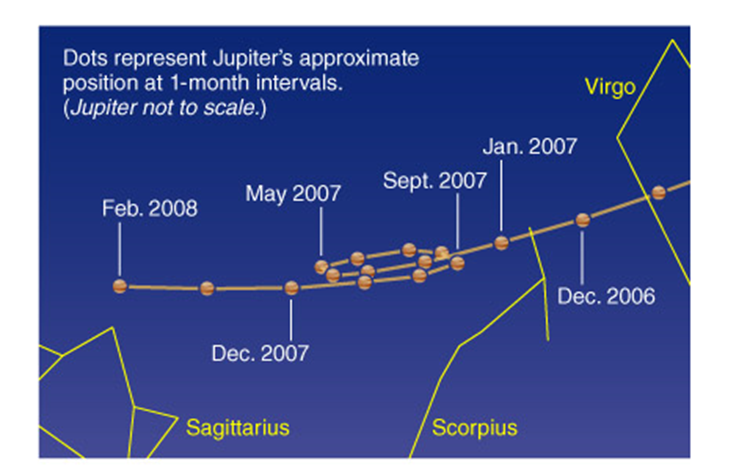
Another interesting feature of the Talmudic version of the story is that God specifically says that He can move Jupiter backwards from west to east. To astronomers, this might ring a bell as possibly being a reference to an actual astronomical phenomenon: Retrograde motion!
What is retrograde motion?
- Planets usually move slightly eastward from night to night relative to the background stars.
- (Note that the planets’ motions differing from the stars was the only thing that ancient observers knew about that made planets different from stars, although they are mostly brighter too. The word “planet” actually comes from the Greek word for “wanderer”. Our modern mental, or photographic, images of the planets are all derived from telescopes and modern science.)
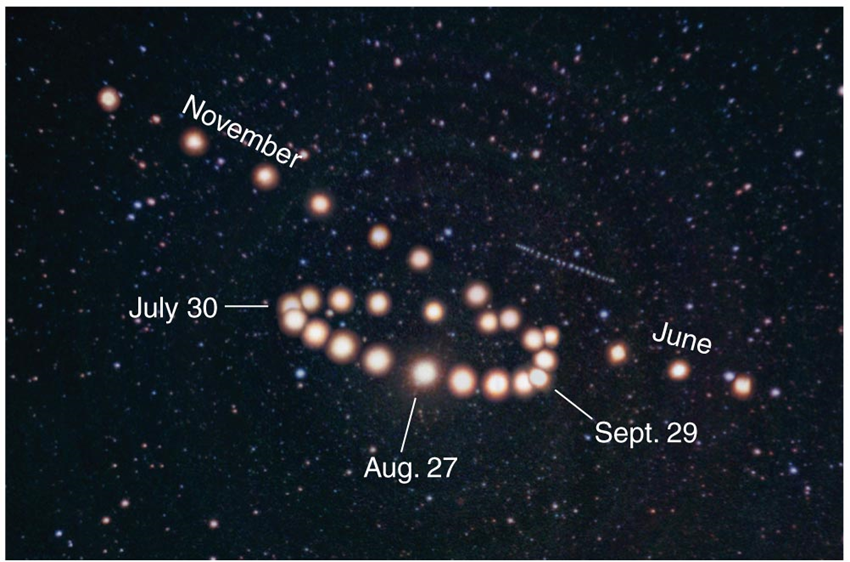
- But, sometimes planets appear to go westward relative to the stars for a few weeks: this is (apparent) retrograde motion.
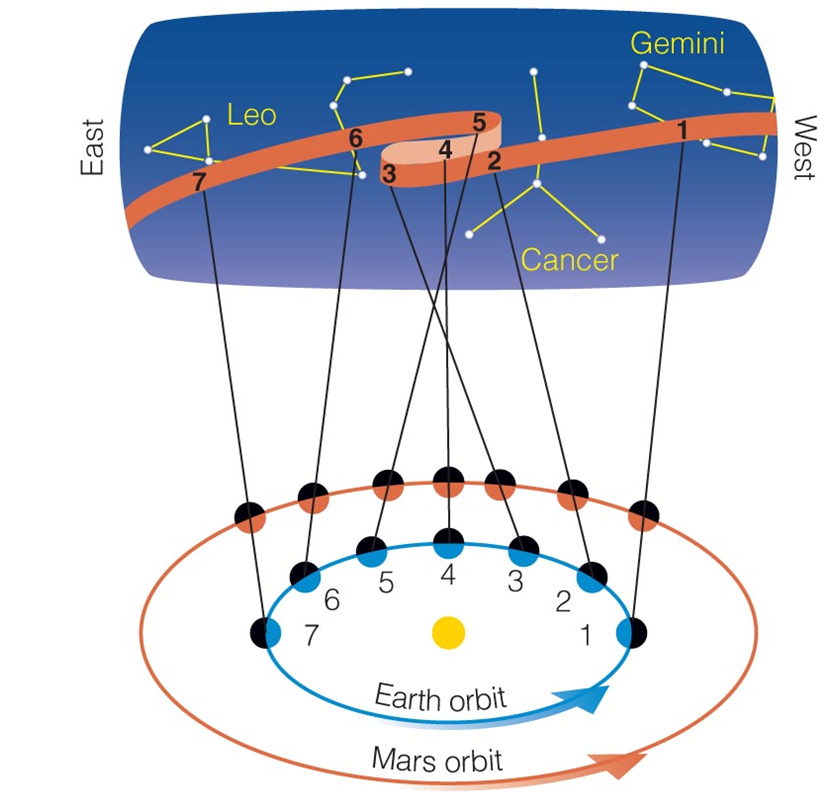
- For example, over a period of 10 weeks, Mars appears to stop, back up, then go forward again, as in the schematic diagram below.
- In the (correct; modern) heliocentric model, retrograde motion is a consequence of one planet (Earth) “lapping” another in its orbit, like a runner on an inner track passing a runner on an outer track, as shown in the diagram of Earth’s and Mars’ orbits below, and the corresponding ‘projections’ on the sky/background stars.
However, to the ancient astronomers, this was a challenge to explain, because they thought that everything in the sky rotated around the Earth. (With some notable exceptions such as Aristarchus of Samos.)
The incorrect ancient Geocentric Model, most famously advocated by Aristotle and most effectively refined by Ptolemy, was accepted for centuries until Copernicus, Kepler and Galileo showed that it was incorrect.
- Aristotle c. 300 BCE: Earth is at the center, everything moves in perfect circles. (Why? Philosophers loved the idea of a perfect circle…)
- Ptolemy c. 100-170 CE: Developed most advanced / accurate Geocentric model by use of “Epicycles” – planets orbits are circles on circles
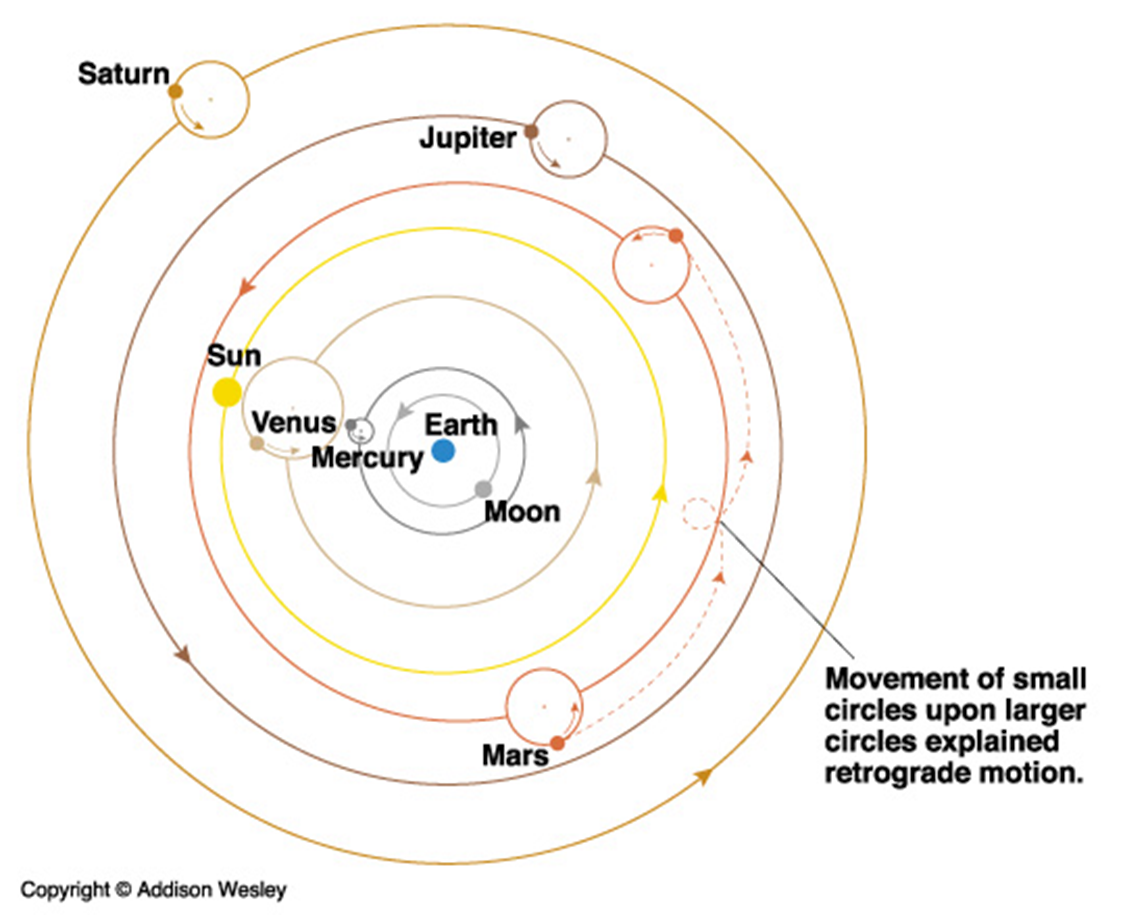
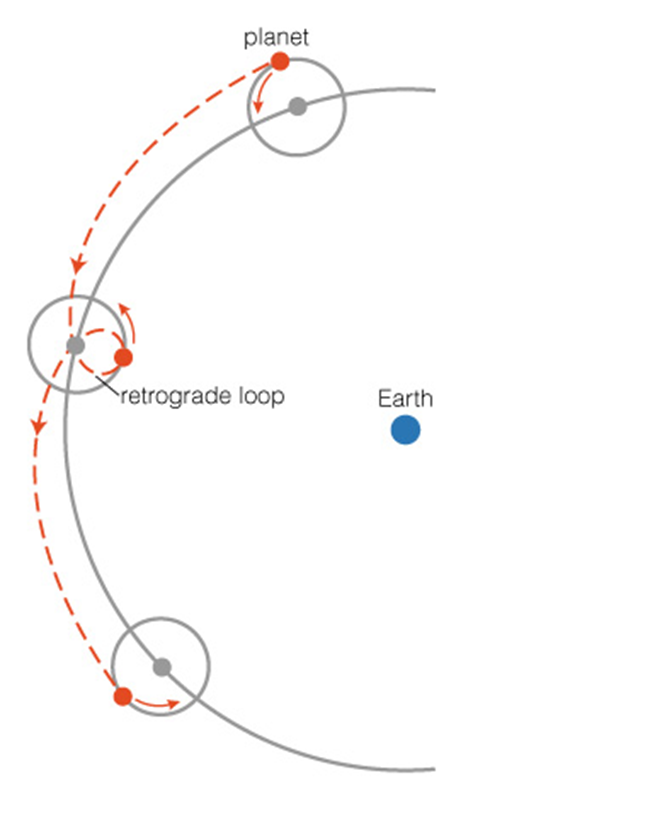
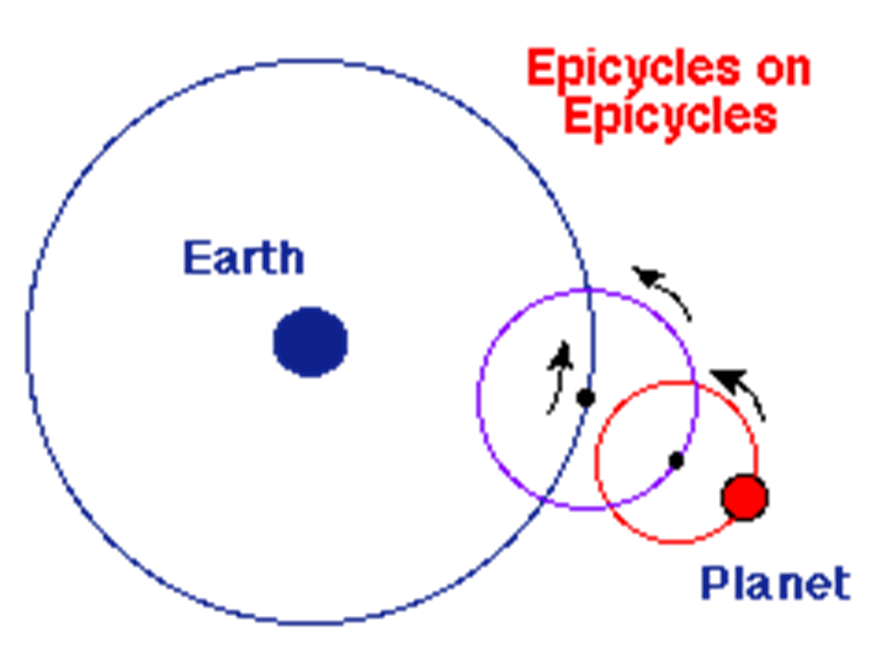
The point of this little digression is to show that the “zig zag” motion of planets was known and, for a long while, puzzled ancient astronomers. Rav referring to it as evidence countering astrology fits logically with the astronomical knowledge of the day. (Rav lived in the early 3rd century CE, slightly later than Ptolemy.)
Incidentally, some types of astrology do actually claim that retrograde motion is a bad time, which might have been a cause of worry to Avram. But, again, God can control the planets and simply undo any such effect.
The second midrashic explanation brought above by Rashi is found in Bereshit Rabbah 44:12:
וַיּוֹצֵא אֹתוֹ הַחוּצָה (בראשית טו, ה), רַבִּי יְהוֹשֻׁעַ דְּסִכְנִין בְּשֵׁם רַבִּי לֵוִי וְכִי מִחוּץ לָעוֹלָם הוֹצִיאוֹ, שֶׁאָמַר הַכָּתוּב: וַיּוֹצֵא אֹתוֹ הַחוּצָה, אֶלָּא אַחְוֵי לֵיהּ שׁוֹקְקֵי שְׁמַיָא, הֵיךְ מָה דְאַתְּ אָמַר (משלי ח, כו): עַד לֹא עָשָׂה אֶרֶץ וְחוּצוֹת, אָמַר רַבִּי יְהוּדָה בְּשֵׁם רַבִּי יוֹחָנָן הֶעֱלָה אוֹתוֹ לְמַעְלָה מִכִּפַּת הַרָקִיעַ, הוּא דְּאָמַר לֵיהּ (בראשית טו, ה): הַבֶּט נָא הַשָּׁמַיְמָה, אֵין הַבָּטָה אֶלָּא מִלְּמַעְלָה לְמַטָּה. רַבָּנָן אָמְרֵי נָבִיא אַתְּ וְאֵין אַתְּ אַסְטְרוֹלוֹגוֹס, שֶׁנֶּאֱמַר (בראשית כ, יז): וְעַתָּה הָשֵׁב אֵשֶׁת הָאִישׁ כִּי נָבִיא הוּא. בִּימֵי יִרְמְיָהוּ בִּקְּשׁוּ יִשְׂרָאֵל לָבוֹא לִידֵי מִדָּה זוֹ, וְלֹא הִנִּיחַ לָהֶם הַקָּדוֹשׁ בָּרוּךְ הוּא, הֲדָא הוּא דִכְתִיב (ירמיה י, ב): כֹּה אָמַר ה’ אֶל דֶּרֶךְ הַגּוֹיִם אַל תִּלְמָדוּ וּמֵאֹתוֹת הַשָּׁמַיִם אַל תֵּחָתּוּ וגו’, כְּבָר אַבְרָהָם אֲבִיכֶם בִּקֵּשׁ לָבוֹא לִידֵי מִדָּה זוֹ וְלֹא הִנַּחְתִּי אוֹתוֹ
HA-HUZAH (xv, 5). R. Joshua [of Sichnin] said in R. Levi’s name : Did He then lead him forth without the world, that it says, “AND HE BROUGHT HIM OUTSIDE (ha-huzah)”? It means, however, that He showed him the streets of heaven, as you read, While as yet He had not made the earth, nor the outer spaces huzoth (Prov. vm, 26).
R, Judah [b. R. Simon] said in R. Johanan’s name: He lifted him up above the vault of heaven; hence He says to him, LOOK (HABBET) NOW TOWARD HEAVEN, HABBET signifying to look down from above.
The Rabbis said: [God said to him]: ‘Thou art a prophet, not an astrologer as it says, “Now therefore restore the man’s wife, for he is a prophet” (Gen. xx, 7).
In the days of Jeremiah the Israelites wished to entertain this belief [in astrology], but the Holy One, blessed be He, would not permit them. Thus it is written, “Thus saith the Lord : Learn not the way of the nations, and be not dismayed at the signs of heaven, etc.” (Jer. x, 2): your ancestor Abraham wished to entertain this belief long ago, but I would not permit him.
Once again, there’s more in the original source than Rashi quotes. (Also, once again, Rabbi Yochanan and the same verse from Jeremiah are cited.) Here Rabbi Yochanan relates the explanation of the verse above that Rashi paraphrases, more or less. But Rabbi Yehoshua cites Rabbi Levi saying that “He showed him the streets of heaven” – meaning the paths or orbits of heavenly bodies, another similarly astronomical pursuit.
In a third opinion, the Rabbis, explain that God was instructing Abraham to “go out” of astrology because he is not an astrologer but a prophet (which is presumably better.)
So here we see two options in which God is imparting to Abraham astronomical knowledge, and one in which he tells him that he is not an astrologer. Obviously, the Rabbis were not in total agreement in their opinions about astrology/ astronomy.
Even though there are differing opinions amongst the talmudic rabbis about the nature or value of Abraham’s connection to or distancing from astrology, there are clearly many sources (these are just a few) that do connect Abraham to astronomy, in one way or another based on the verses cited.
There is much more to unpack on this topic, so stay tuned for “Part 2” of Abraham the Astronomer…

